The Crucial Impact of Staging on Atlanta GA Real Estate Photography: Unveiling the Professional Secrets
- Feb 5, 2025
- 5 min read
In the dynamic real estate market of Atlanta, GA, first impressions matter immensely. With numerous properties vying for potential buyers' attention, the importance of real estate photography cannot be overstated. However, one of the key elements that significantly enhances these photographs is staging. This blog post explores how staging plays a crucial role in real estate photography, providing valuable insights for sellers and real estate agents alike.
Understanding the Importance of Staging
Staging is the art of preparing a home for sale in a way that enhances its appeal to potential buyers. The primary goal is to showcase the property’s strengths, minimize its weaknesses, and help buyers envision themselves living there. The importance of staging cannot be underestimated; it's not just about minimalistic design, but about creating an inviting atmosphere that resonates with prospective buyers.
Staged homes typically sell faster and at higher prices compared to non-staged homes. According to a National Association of Realtors report, 77% of buyers' agents believe staging a home makes it easier for the buyer to visualize the property as their future home. This statistic highlights the impact staging has on buyer perception.
Staging goes hand-in-hand with real estate photography. When a home is professionally staged, the resulting photos become more appealing. Well-lit, beautifully arranged rooms in the photographs can create a positive emotional response from viewers, leading to increased interest in the property.
The Relationship Between Staging and Photography
Staging and photography are intricately linked; one complements the other. Photographers often find that staged homes provide the ideal settings for capturing the property in its best light.
When a home is staged, it means all the visual elements, such as furniture, décor, and arrangements, are thoughtfully chosen to enhance photographs. A well-staged room allows a photographer to focus on interesting angles and details, turning a simple shot into a captivating image.
Lighting: The Key Element
Lighting plays a significant role in both staging and photography. Natural light is often seen as the most flattering for photographs, and staging should maximize its use. During photography sessions, strategic placement of mirrors and the choice of light-colored furniture can brighten spaces.
Additionally, professional photographers understand how to manipulate light, whether through adjusting camera settings or employing artificial lighting to enhance an atmosphere. Staged homes paired with expert lighting techniques can produce stunning visual results, enticing more buyers.
Essential Staging Techniques for Real Estate Photography
Getting the most out of staging for real estate photography requires attention to key elements. Here are some essential techniques that can help create compelling visuals that attract buyers.
Emphasize the Property's Best Features
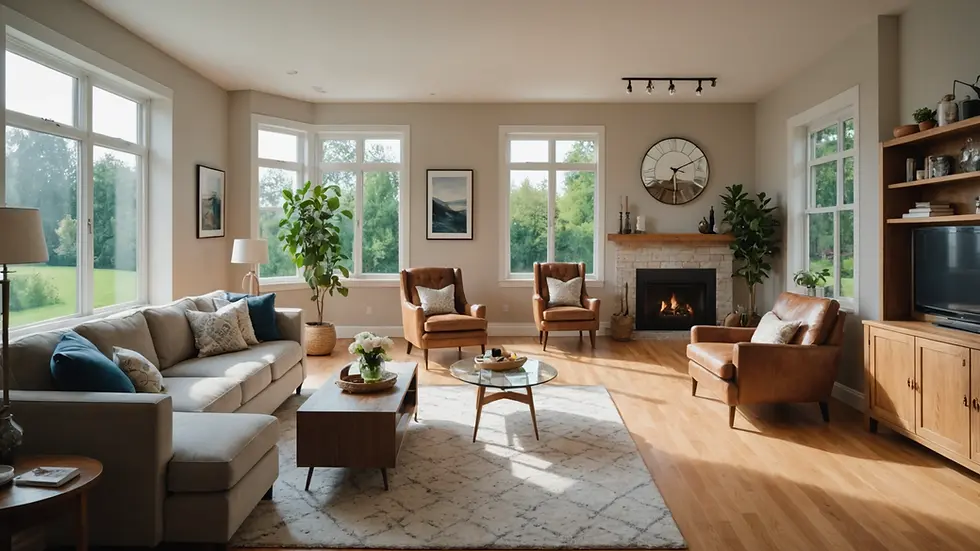
Every home has unique attributes. The goal of staging is to highlight these features. For example, if there’s a beautiful fireplace, arrange furniture to create a cozy sitting area around it. Staging helps to guide photographers in framing these features effectively during shoots.
Consider using rugs to define spaces, showcasing open floor plans, or backing furniture away from walls. The idea is to create flow and emphasize the best parts of the property, making them stand out in photographs.
Neutral Colors and Minimalistic Design
Neutral colors can make spaces appear larger and more inviting. When staging, use a color palette that appeals to a wide audience. It’s essential to avoid overly personal decor that could alienate potential buyers.
Minimalistic design not only enhances the home's aesthetic but also simplifies the photography process. Less clutter means that the focus remains on the room itself, allowing buyers to imagine their personal style in the space.
Consistency Across Rooms
A consistent theme throughout the home can create a sense of cohesion in photographs. While individual rooms may serve different functions or styles, a common thread—whether through color, texture, or design elements—helps potential buyers visualize the flow of the home.
Outdoor Spaces Matter
In Atlanta, the outdoor area can be a significant selling point. Showcasing patios, gardens, or balconies during photography adds value to the property. Staging these areas with comfortable furniture and attractive landscaping can create inviting outdoor spaces that resonate with buyers.
The Role of Professional Photography
While staging a home is essential, the quality of photography also determines the effectiveness of those staged images. Real estate photographers in Atlanta are skilled at capturing the essence of staged homes.
High-Quality Images Make a Difference
Today’s buyers often begin their property search online, so high-quality images are critical in grabbing their attention. A professional photographer knows how to utilize angles, lighting, and advanced equipment to produce stunning images that sell.
Post-Processing Techniques
Professional photographers also employ post-processing techniques to enhance the final images. From adjusting colors to removing minor distractions, these techniques ensure the staged home looks its best in photographs. This further emphasizes the effectiveness of staging in real estate photography.
Real Estate Photography Trends in Atlanta, GA
Real estate trends in Atlanta frequently evolve. It is crucial for sellers and agents to stay updated on how to leverage staging and photography effectively.
Virtual Staging as a Growing Trend
Virtual staging is gaining traction, especially in markets where homes may remain unsold for extended periods. This cost-effective approach allows sellers to digitally stage vacant properties, offering potential buyers a visual representation of what living there could look like.
Using high-quality images combined with software to add furniture and decor allows buyers to envision the space fully. While it may lack the tactile feel of actual staging, it serves as an innovative solution that can still attract buyers and generate interest.
Emphasis on Videography and 360-Degree Tours
In addition to photos, video walkthroughs and 360-degree virtual tours are becoming essential in real estate listings. These tools offer a more immersive experience for prospective buyers.
High-quality video content can capture the feel of a home beyond static images. Couples with professional photography, they enhance the overall appeal and can significantly reduce the time a property spends on the market.
Conclusion
Staging is an indispensable component of successful real estate photography in Atlanta, GA. When executed effectively, it elevates the visual representation of a home, enhances its appeal, and ultimately aids in selling the property faster and at a higher price.
By understanding the unique relationship between staging and photography, sellers and agents can leverage these techniques to their advantage. From maximizing natural light to maintaining coherence throughout the home, the attention to detail in both staging and photographing can yield compelling results.
As the Atlanta market continues to evolve, staying updated on trends, such as virtual staging and video content, will further bolster the ability to attract potential buyers. In this competitive landscape, utilizing staging combined with high-quality photography isn’t just advantageous—it’s essential for selling homes swiftly and effectively.

Comments